





Bisoprolol 2.5 mg for High Blood Pressure & Angina: Benefits, Dosage & Precautions
Aug 07, 2026
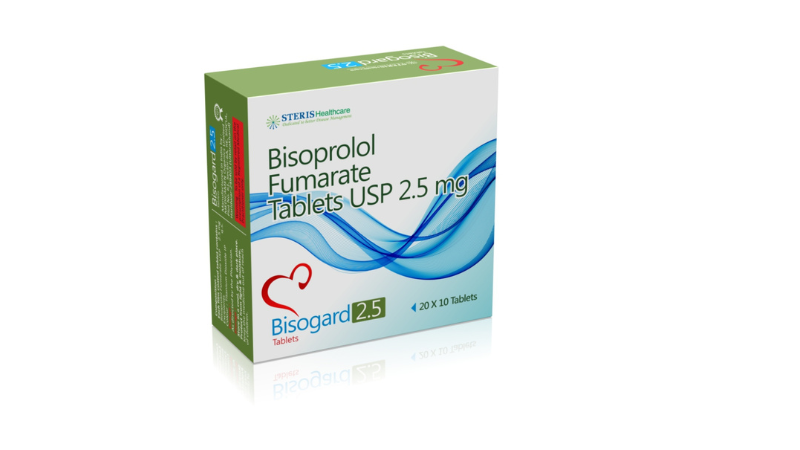
High blood pressure and certain heart conditions can silently affect health for years before symptoms become noticeable, increasing the risk of heart attack, stroke, and heart failure if left uncontrolled. To help manage these cardiovascular concerns effectively, Steris Healthcare has developed BISOGARD 2.5, a beta-blocker medication with the active composition Bisoprolol 2.5mg.
BISOGARD 2.5 (bisoprolol fumarate tablet) is primarily used for the management of hypertension (high blood pressure), chronic stable angina, and as part of heart failure treatment in appropriate patients. As a cardioselective beta-blocker, bisoprolol 2.5 mg tablet works by reducing the workload on the heart, helping it beat more efficiently and steadily.
Why Bisoprolol 2.5 Is Important
The heart is under constant strain when blood pressure remains elevated over long periods or when conditions like angina or heart failure reduce its ability to pump efficiently. Left unmanaged, these conditions significantly increase the risk of serious cardiovascular events, including heart attacks and strokes. Many patients don't feel obvious symptoms of high blood pressure, which is why it's often called a "silent" risk factor—making consistent, effective treatment essential.
This is where bisoprolol 2.5 becomes particularly important. By selectively blocking beta-1 receptors primarily located in the heart, it slows the heart rate and reduces the force of heart contractions, which in turn lowers blood pressure and decreases the heart's oxygen demand. This makes it especially valuable for patients managing hypertension alongside angina or certain types of heart failure, where reducing cardiac workload directly improves symptoms and long-term outcomes. Its cardioselective nature also means it has a more targeted action on the heart compared to older, non-selective beta-blockers.
Key Benefits of Bisoprolol 2.5
- Effective blood pressure control—helps lower and maintain healthy blood pressure levels over time.
- Reduced cardiac workload—Slows heart rate and reduces the force of contraction, easing strain on the heart.
- Angina symptom relief—Helps reduce the frequency and severity of chest pain episodes in stable angina.
- Supports heart failure management—Used as part of a comprehensive treatment plan in certain heart failure patients, under specialist guidance.
- Cardioselective action—Primarily targets heart-related beta receptors, offering a more focused therapeutic effect.
- Once-daily convenience—Simplifies treatment adherence with a manageable dosing schedule.
- Long-term cardiovascular protection—Consistent use may help reduce the risk of cardiovascular complications over time.
Mechanism of Action
How it works: Bisoprolol selectively blocks beta-1 adrenergic receptors, which are predominantly located in the heart muscle. By blocking these receptors, bisoprolol reduces the effect of stress hormones like adrenaline and noradrenaline on the heart, resulting in a slower heart rate, reduced force of contraction, and decreased cardiac output. This reduces the overall workload and oxygen demand of the heart. Additionally, this action helps lower blood pressure by reducing the output of blood pumped with each heartbeat and by decreasing renin release from the kidneys, which further contributes to blood pressure control. Because bisoprolol is relatively selective for beta-1 receptors over beta-2 receptors (found more in the lungs and blood vessels), it tends to have a more targeted cardiac effect with a comparatively lower impact on the respiratory system.
Side Effects
Most patients tolerate BISOGARD 2.5 well when taken as directed, but some may experience mild side effects such as:
- Fatigue or tiredness
- Dizziness
- Cold hands or feet
- Slow heart rate
- Mild headache
- Nausea
These effects are often more noticeable when starting treatment and may lessen as the body adjusts.
Available Substitute for Bisoprolol 2.5
Other beta-blocker alternatives such as Metoprolol, Atenolol, or Carvedilol are also available in the market for managing hypertension, angina, and heart failure. However, switching between beta-blockers should only be done under medical supervision, as individual response, underlying heart condition, and tolerability vary significantly between patients.
Dosage Guidelines for Bisoprolol 2.5
The dosage of bisoprolol 2.5 mg should always be determined by a physician based on the patient's condition, response to treatment, and overall cardiovascular health. General guidelines include:
- Typically taken once daily, usually in the morning, as prescribed by the doctor.
- Treatment is often started at a lower dose and gradually adjusted based on response and tolerability.
- Should be taken at the same time each day to maintain consistent blood levels.
- Do not stop taking bisoprolol suddenly, as abrupt discontinuation can worsen angina or trigger cardiovascular events—the dose should be tapered gradually under medical supervision.
- Regular monitoring of blood pressure and heart rate is recommended during treatment.
Precautions & Warnings
- Inform your doctor about any history of asthma, COPD, severe bradycardia, or heart block before starting bisoprolol.
- Do not stop this medication abruptly without medical advice, as it may worsen underlying heart conditions.
- Monitor blood pressure and heart rate regularly during treatment as advised by your doctor.
- Use caution when driving or operating machinery until you know how the medication affects you, especially during initial dose adjustments.
- Diabetic patients should be aware that bisoprolol may mask some symptoms of low blood sugar (hypoglycemia), such as rapid heartbeat.
- Pregnant or breastfeeding women should use this medication only under medical supervision.
- Inform your doctor about all other medications you are taking to avoid potential interactions, particularly other blood pressure medications.
- Store in a cool, dry place away from direct sunlight and out of reach of children.
Indications, Efficacy, and Clinical Evidence
Bisoprolol fumarate tablet is widely indicated for the management of hypertension, chronic stable angina pectoris, and as an adjunct in the treatment of stable chronic heart failure with reduced ejection fraction, in combination with other standard heart failure therapies.
Key Indications:
- Essential hypertension (high blood pressure)
- Chronic stable angina
- Stable chronic heart failure (as adjunctive therapy under specialist supervision)
- Long-term cardiovascular risk management in appropriate patients
The efficacy of bisoprolol 2.5 in these indications is well established in cardiovascular medicine, largely attributed to its cardioselective beta-1 blocking action that reduces cardiac workload, oxygen demand, and blood pressure. Its relatively selective receptor action makes it a preferred choice among beta-blockers for patients who need effective cardiac protection with a comparatively favorable tolerability profile. It is commonly included in cardiology treatment guidelines as a foundational therapy for hypertension, angina, and heart failure management. For specific clinical data or comparative study information, always consult a qualified cardiologist or authoritative medical literature.
1. Is 1.25 mg of bisoprolol a low dose?
Yes, 1.25 mg is generally considered a low starting dose, commonly used when initiating treatment cautiously, especially in heart failure management.
2. Foods to avoid when taking bisoprolol?
There are no major food restrictions, but excessive alcohol and high-sodium foods should be limited, as they can affect blood pressure control.
3. What is the use of the 2.5 mg bisoprolol tablet?
It is used to manage high blood pressure and chronic stable angina and as part of treatment for certain heart failure conditions.
4. What are the bad side effects of bisoprolol?
Serious side effects can include severe bradycardia, worsening heart failure symptoms, severe dizziness, or fainting—these require immediate medical attention.
5. Can bisoprolol reduce BP?
Yes, bisoprolol is effective in lowering and maintaining healthy blood pressure levels as part of hypertension management.
6. How long does bisoprolol take to work?
Blood pressure and heart rate improvements can often be observed within a few weeks of consistent use, though individual responses may vary.
7. Can bisoprolol be stopped suddenly?
No, abrupt discontinuation can worsen angina or trigger cardiovascular events; the dose should be tapered gradually under medical supervision.
8. What is the bisoprolol 2.5 mg price?
Pricing may vary based on brand, pack size, and pharmacy; please contact us for current pricing on BISOGARD 2.5.
9. Is bisoprolol safe for diabetic patients?
It can be used in diabetic patients, but caution is needed as it may mask symptoms of low blood sugar; regular monitoring is advised.
10. Can bisoprolol cause fatigue?
Yes, fatigue and tiredness are common, generally mild side effects, especially when starting treatment.
11. Is bisoprolol safe for asthma patients?
Patients with asthma or COPD should use bisoprolol cautiously and only under close medical supervision due to its effect on beta receptors.
12. What is the ideal time to take bisoprolol 2.5 mg?
It is typically taken once daily, usually in the morning, at the same time each day as advised by your doctor.
13. Can bisoprolol be taken with other blood pressure medications?
Yes, it can be combined with other antihypertensives, but always under medical supervision to avoid excessive blood pressure lowering.
14. Is a prescription required for BISOGARD 2.5?
Yes, it is a prescription-based medication and should only be used under medical supervision.
15. Can bisoprolol be used during pregnancy?
It should only be used during pregnancy under strict medical supervision after evaluating risks and benefits.
16. What happens if I miss a dose of bisoprolol?
Take the missed dose as soon as remembered, but if it's close to the next dose, skip it—never double the dose without medical advice.
Conclusion
BISOGARD 2.5 by Steris Healthcare, with its active composition Bisoprolol 2.5mg, is a well-established cardioselective beta-blocker used for the management of hypertension, chronic stable angina, and as part of heart failure treatment. Its targeted action on the heart helps reduce cardiac workload, control blood pressure, and improve overall cardiovascular outcomes. As with any heart medication, it should be used under the guidance of a qualified healthcare professional, with regular monitoring, to ensure safe and effective long-term cardiovascular management.
For Further Information:
Mail Us: [email protected] or [email protected]
Call Now: +918824175417, +919982524671
Buy Now
Recent Post
Tolperisone Hydrochloride & Paracetamol Tablets: Uses, Benefits, Dosage & Side Effects
Tolperisone Hydrochloride Uses in Hindi: फायदे, खुराक, साइड इफेक्ट्स और सावधानियां
Hydroxyzine hydrochloride tablet uses in hindi : हाइड्रोक्सीज़ाइन हाइड्रोक्लोराइड टैबलेट उपयोग व लाभ | Steris
Methotrexate Tablets की संपूर्ण गाइड: उपयोग से लेकर सावधानियों तक
मिर्गी और माइग्रेन से राहत: Topiramate 50 mg की पूरी जानकारी
Lymecycline 408mg क्या है? मुंहासों के इलाज में उपयोग, फायदे, साइड इफेक्ट्स और पूरी जानकारी
Erdosteine 300mg: उपयोग, फायदे और सावधानियां पूरी जानकारी
Sodium Valproate Tablet: मिर्गी और अन्य रोगों में उपयोग, लाभ, नुकसान और सावधानियां
Moxifloxacin Eye Ointment क्या है? जानें उपयोग, फायदे और साइड इफेक्ट्स
आंखों के वायरल संक्रमण से राहत: Ganciclovir Ophthalmic Gel की पूरी जानकारी