





Why Doctors Recommend Nebivolol Hydrochloride and Cilnidipine Tablets for Hypertension
Apr 25, 2026
High blood pressure or hypertension is a major health concern worldwide, contributing significantly to heart disease, stroke, and kidney failure. Managing hypertension effectively often requires medications that target different mechanisms controlling blood pressure. The combination of Nebivolol Hydrochloride and Cilnidipine has emerged as a highly effective therapy for blood pressure control, improving cardiovascular health while minimizing side effects.
Two such advanced combination formulations are NEBIVALVE CILNI 5/10 and NEBIVALVE CILNI 2.5/10, which combine Nebivolol Hydrochloride and Cilnidipine. These medications are specifically designed to offer synergistic control over Hypertension.
Understanding NEBIVALVE CILNI 5/10 and 2.5/10
What Are These Products?
NEBIVALVE CILNI 5/10 and NEBIVALVE CILNI 2.5/10 are fixed-dose combination tablets containing:
- Nebivolol Hydrochloride (5 mg in 5/10, 2.5 mg in 2.5/10)
- Cilnidipine (10 mg in both formulations)
These medicines are prescribed to treat essential hypertension and help reduce the risk of cardiovascular complications by lowering elevated blood pressure.
Why Two Different Strengths?
- NEBIVALVE CILNI 2.5/10 is typically prescribed for patients needing a lower dose of Nebivolol, such as those beginning therapy or those requiring dose adjustments.
- NEBIVALVE CILNI 5/10 is used for patients who require a higher dose of Nebivolol for more effective blood pressure control.
Both formulations contain 10 mg of Cilnidipine, a calcium channel blocker, ensuring consistent vasodilation and blood pressure reduction.
Composition and Mechanism of Action
Nebivolol Hydrochloride
Nebivolol is a third-generation beta-1 selective adrenergic receptor blocker. It reduces the heart rate and myocardial contractility, lowering cardiac output and blood pressure. Unlike older beta-blockers, Nebivolol also promotes nitric oxide release, which relaxes blood vessels and improves endothelial function. This contributes to its vasodilatory and cardioprotective properties.
Cilnidipine
Cilnidipine is a dual L-type and N-type calcium channel blocker. By blocking L-type channels, it relaxes vascular smooth muscle, dilating peripheral arteries and reducing vascular resistance. The N-type channel blockade reduces sympathetic nerve activity, which further lowers blood pressure and reduces cardiac workload.
Combined Effect
The combination of Nebivolol and Cilnidipine targets both cardiac output and peripheral resistance, providing comprehensive blood pressure control. This balanced approach improves efficacy and helps reduce side effects compared to higher doses of single agents.
Indications and Clinical Uses
Both NEBIVALVE CILNI 5/10 and 2.5/10 are indicated for:
- Essential Hypertension: To lower high blood pressure and reduce risk of stroke, heart attack, and kidney damage.
- Cardiovascular Risk Reduction: Particularly in patients with coexisting heart conditions or metabolic syndrome.
- Patients Needing Combination Therapy: When monotherapy is insufficient to reach target blood pressure.
The choice between the 2.5/10 and 5/10 formulations depends on the patient’s blood pressure level, response to therapy, and tolerance.
Benefits of NEBIVALVE CILNI Combination Tablets
Effective Blood Pressure Control
The dual mechanism ensures robust reduction in both systolic and diastolic blood pressure, improving overall cardiovascular outcomes.
Improved Endothelial Function
Nebivolol’s nitric oxide-mediated vasodilation enhances blood vessel health, reducing arterial stiffness and improving circulation.
Reduced Sympathetic Activity
Cilnidipine’s N-type calcium channel blockade decreases sympathetic nervous system overactivity, a common contributor to hypertension progression.
Fewer Side Effects
Using moderate doses of two agents often results in better tolerability and fewer adverse effects compared to high-dose monotherapy.
Convenient Once-Daily Dosing
Both products are designed for once-daily administration, enhancing patient adherence and simplifying treatment regimens.
Dosage and Administration
NEBIVALVE CILNI 2.5/10
- Typically prescribed for initial therapy or dose titration.
- One tablet taken orally once daily, with or without food.
- Dosage may be adjusted based on blood pressure response and tolerability.
NEBIVALVE CILNI 5/10
- Used when higher Nebivolol dose is required for better blood pressure control.
- One tablet orally once daily, with or without food.
- Dose adjustments should be guided by healthcare professionals.
Patients should be advised to take these medications consistently at the same time each day and avoid abrupt discontinuation.
Safety Profile and Side Effects
Common Side Effects
- Headache
- Dizziness or lightheadedness (especially when standing)
- Fatigue or tiredness
- Mild swelling (edema) in the legs or ankles
- Gastrointestinal discomfort (rare)
Serious Side Effects (Rare)
- Severe bradycardia (slow heart rate)
- Hypotension (excessively low blood pressure)
- Allergic reactions
- Worsening of asthma or respiratory conditions (due to beta-blockade)
Patients should promptly report any severe or persistent symptoms to their healthcare provider.
Precautions and Contraindications
- Contraindicated in patients with severe bradycardia, heart block without pacemaker, or overt cardiac failure.
- Use caution in patients with asthma, diabetes, or impaired liver/kidney function.
- Not recommended for pregnant or breastfeeding women without medical advice.
- Inform your doctor about all medications to avoid potential drug interactions.
Drug Interactions to Consider
- Other antihypertensive medications (may cause additive blood pressure lowering)
- Calcium channel blockers (verapamil, diltiazem) that affect heart conduction
- CYP450 inhibitors or inducers that may alter Nebivolol metabolism
- Nonsteroidal anti-inflammatory drugs (NSAIDs) that can reduce antihypertensive effect
A thorough medication review is essential before initiating therapy.
Patient Counseling Tips
- Emphasize adherence to prescribed dosage and schedule.
- Advise patients to rise slowly from sitting or lying down to reduce dizziness.
- Encourage routine blood pressure and heart rate monitoring.
- Discuss lifestyle modifications including diet, exercise, and smoking cessation to complement medication effects.
- Warn about potential side effects and when to seek medical attention.
Real-World Clinical Evidence
Multiple clinical studies have demonstrated the efficacy and safety of Nebivolol and Cilnidipine combination therapy:
- Significant reductions in systolic and diastolic blood pressure compared to monotherapy.
- Improved endothelial function and reduced arterial stiffness, lowering cardiovascular risk.
- Good tolerability profile with low incidence of adverse effects.
- Positive impact on metabolic parameters in patients with metabolic syndrome. Steris healthcare
These findings support the use of NEBIVALVE CILNI 5/10 and 2.5/10 in routine hypertension management.
Lifestyle and Dietary Recommendations
For optimal blood pressure control, patients using NEBIVALVE CILNI tablets should:
- Maintain a balanced diet low in salt and saturated fats.
- Engage in regular physical activity tailored to their health status.
- Limit alcohol consumption and avoid tobacco use.
- Manage stress through relaxation techniques or counseling if needed.
Combining medication with lifestyle changes maximizes treatment success.
Conclusion
NEBIVALVE CILNI 5/10 and 2.5/10 tablets offer a highly effective, well-tolerated solution for managing hypertension. By combining Nebivolol Hydrochloride and Cilnidipine, these products provide comprehensive blood pressure control through dual mechanisms—reducing cardiac workload and relaxing blood vessels.
Their convenient once-daily dosing, proven cardiovascular benefits, and favorable safety profiles make them valuable options for patients at various stages of hypertension treatment.
Always consult your healthcare provider before starting or adjusting therapy to ensure these medications are appropriate for your individual health needs.
Frequently Asked Questions (FAQs)
Q1: Can I switch between NEBIVALVE CILNI 2.5/10 and 5/10?
A: Only under medical guidance. Dose adjustments depend on blood pressure response and tolerance.
Q2: Is it safe to take these medications with diabetes?
A: Yes, but blood sugar levels should be monitored regularly.
Q3: What should I do if I miss a dose?
A: Take it as soon as you remember unless it’s close to the next dose. Do not double dose.
Q4: Can these tablets cause fatigue?
A: Mild fatigue is a possible side effect; consult your doctor if it persists or worsens.
Q5: How long does it take to see results?
A: Blood pressure reduction can begin within hours, but full effect develops over weeks.
Recent Post
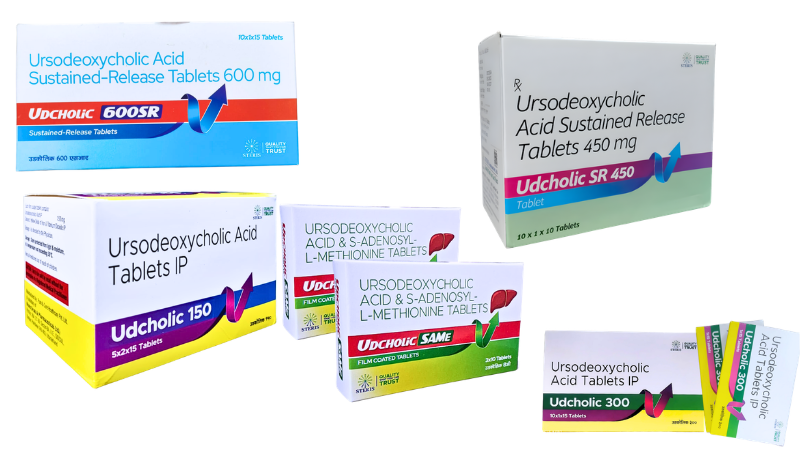
Ursodeoxycholic Acid Tablet Uses in Hindi | फायदे, खुराक और साइड इफेक्ट्स
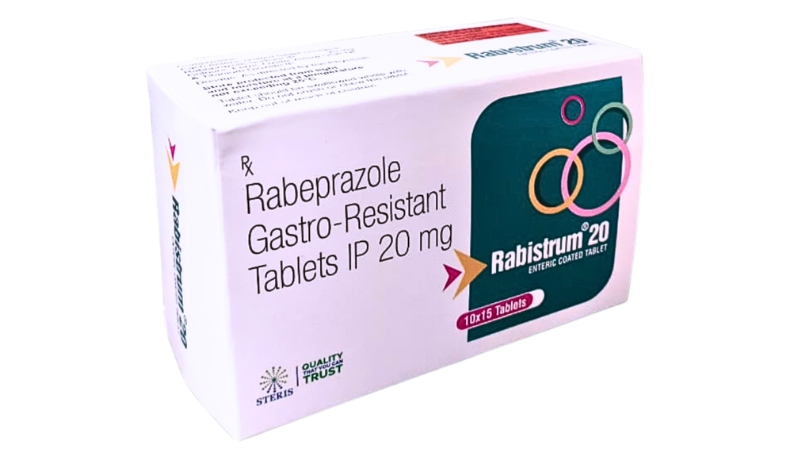
Rabeprazole Gastro Resistant Tablet IP 20 mg: Uses, Benefits, Dosage & Side Effects
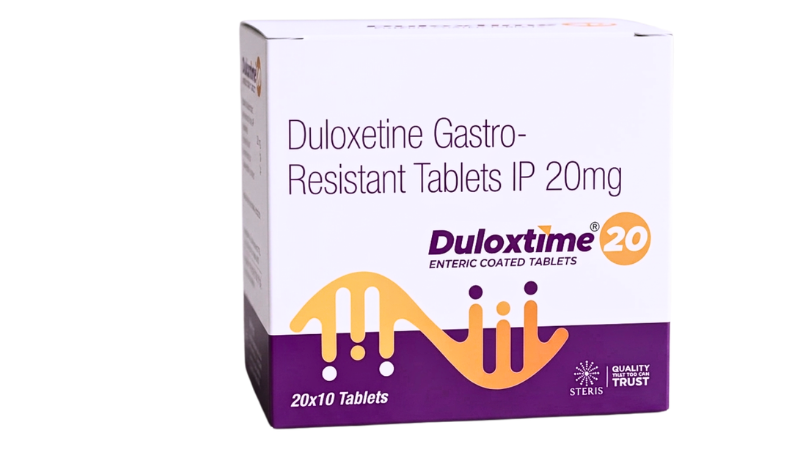
Duloxetine 20 mg Uses in Hindi: फायदे, नुकसान और काम करने का तरीका
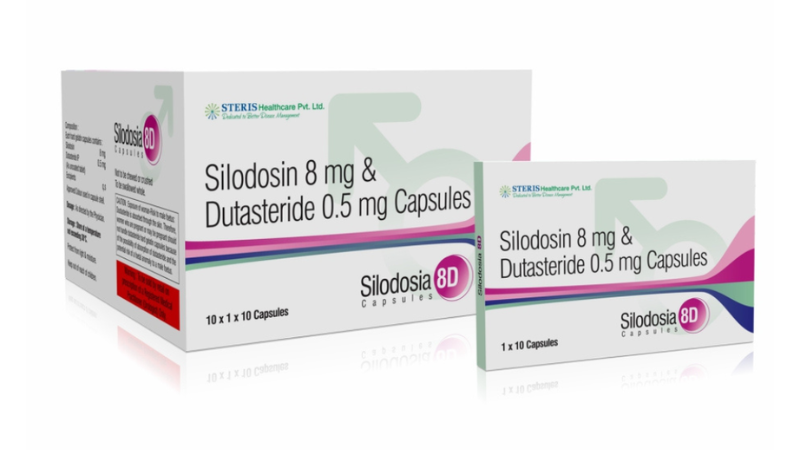
Silodosin Capsules 8mg Uses in Hindi | पूरी जानकारी
Rivaroxaban 20 mg – Blood Thinner Uses, Dosage & Safety Guide
povidone iodine ointment usp uses in hindi:पोविडोन आयोडीन ऑइंटमेंट USP के फायदे, उपयोग विधि और सावधानियां

Clobetasol Neomycin Miconazole Cream – TOPBETA GM 20
sitagliptin 100 mg uses in hindi Sitagliptin 100 mg Uses in Hindi: पूरी जानकारी
Famciclovir: Uses, Dosage, Side Effects & Price Guide
Cilostazol Tablet: Uses, Price, Dosage & Side Effects Explained